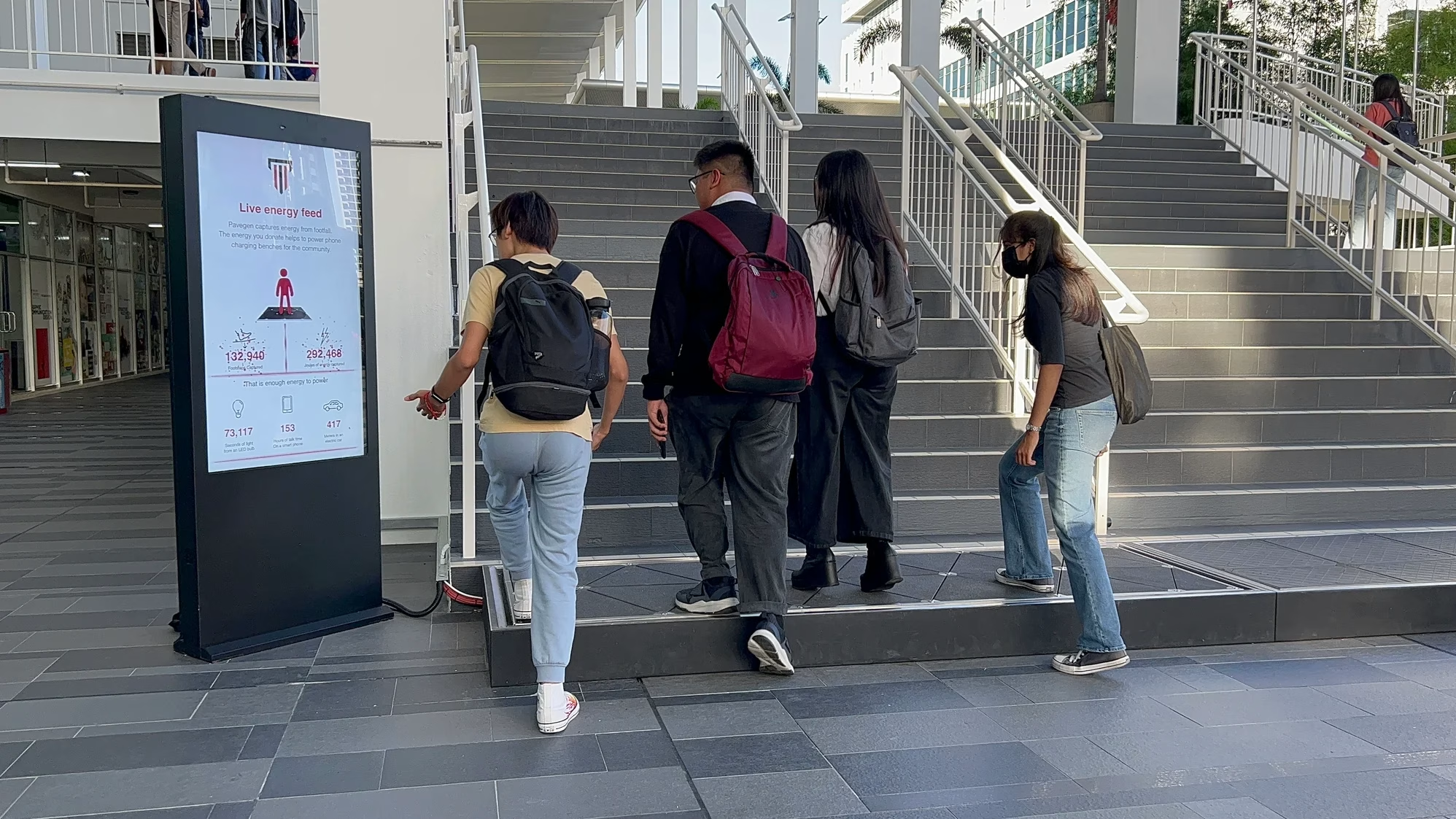
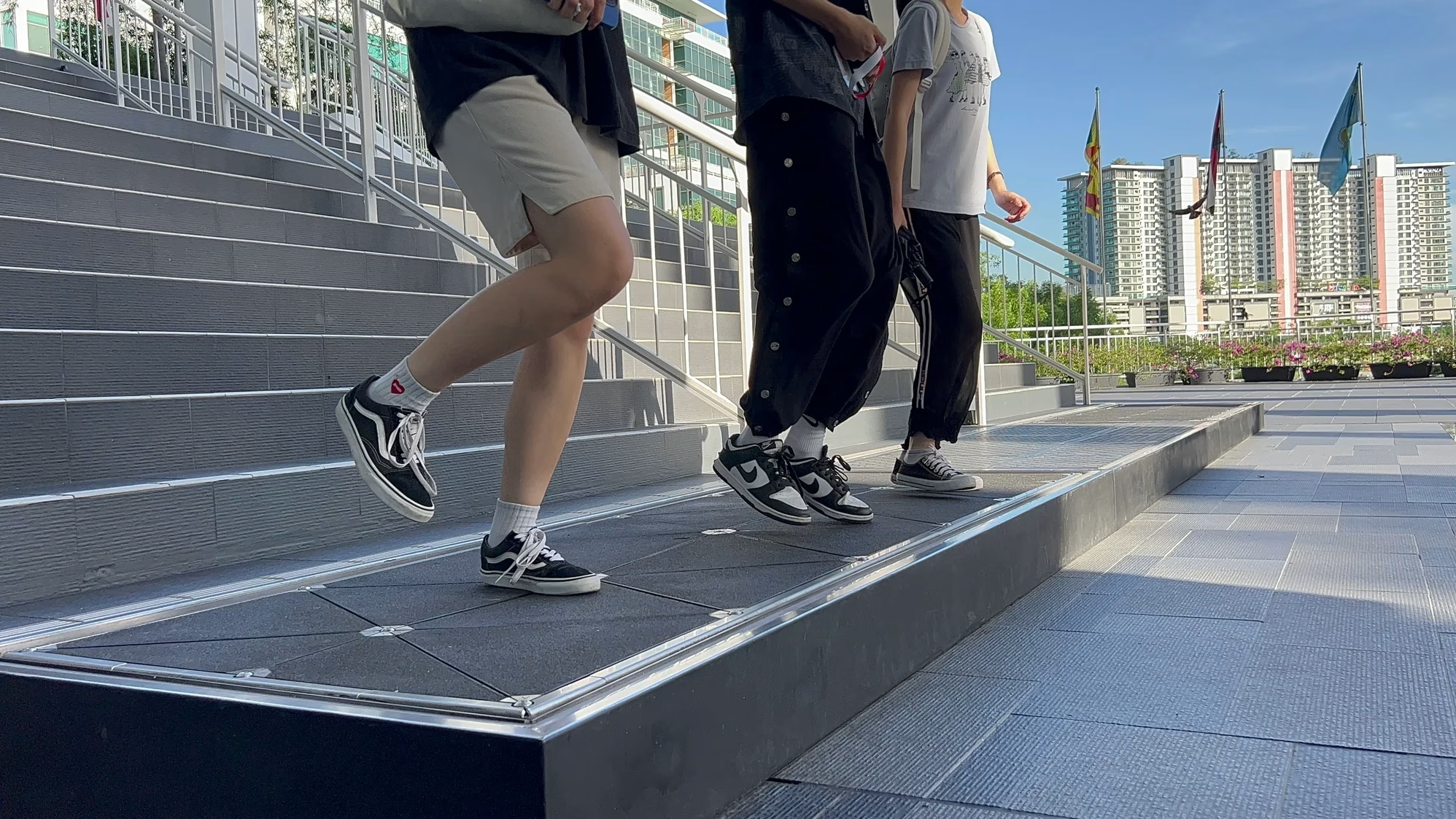
Taylor’s University, one of Southeast Asia’s leading institutions for innovation and future-focused learning, wanted to bring sustainability to life in a way students could experience and remember – not just read about. In a high-traffic stairway at the heart of campus, Pavegen created an interactive kinetic walkway that transformed everyday movement into clean energy, real-time data, and an engaging learning moment for thousands of students every day.
Inspiring The next Generation
The Challenge: Make sustainability tangible and memorable
Universities face increasing pressure to:
Demonstrate measurable action on sustainability,
Create smart-campus experiences,
Build environmental awareness through participation, not passive communication.
Taylor’s University wanted a solution that would:
Integrate into an already busy space
Encourage student interaction without interrupting flow
Visualise engagement and energy generation in real time
Spark meaningful conversations around sustainable behaviour
The question:
How do you turn an ordinary staircase into a catalyst for sustainability awareness and student engagement?
The Approach
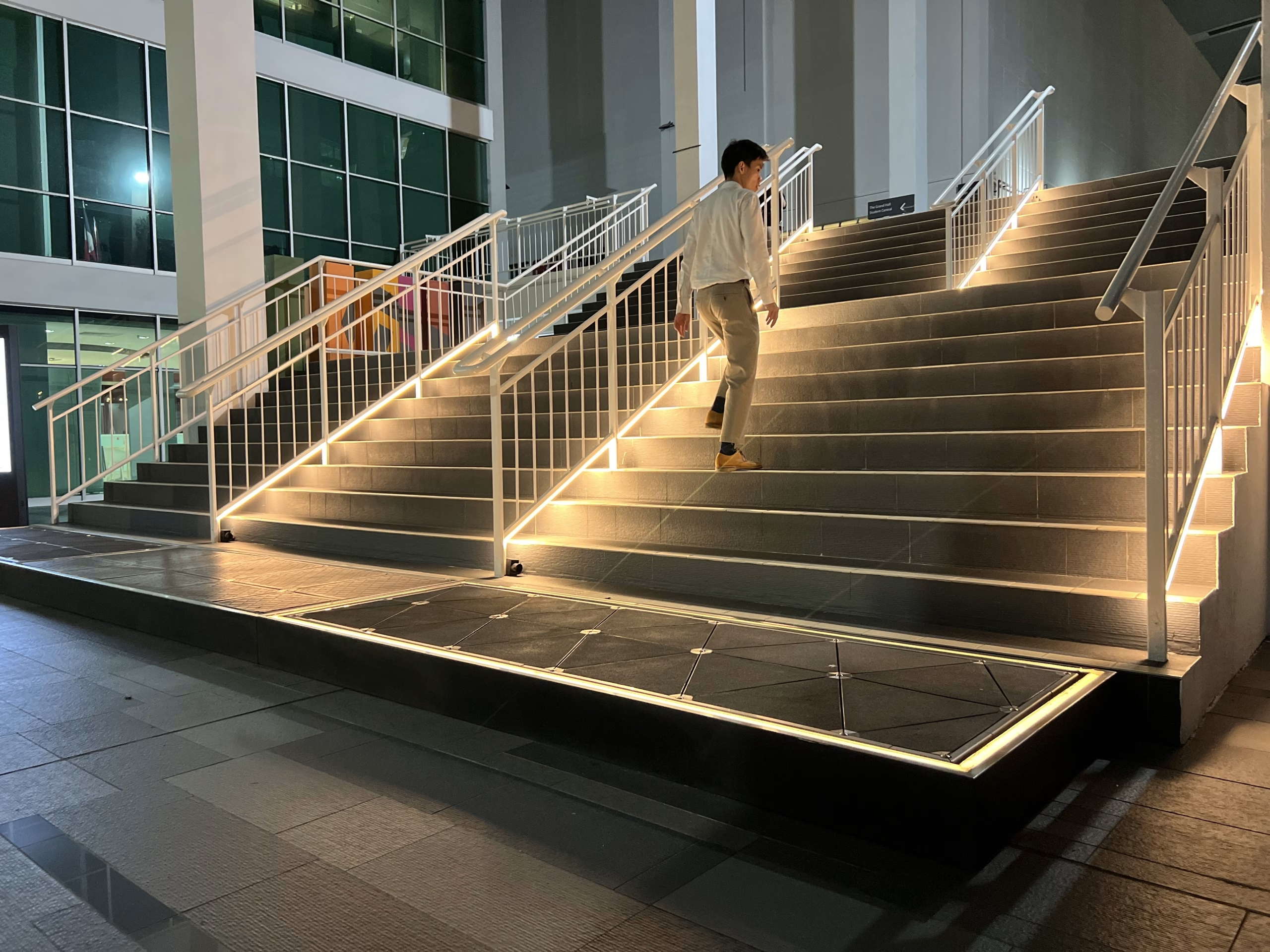
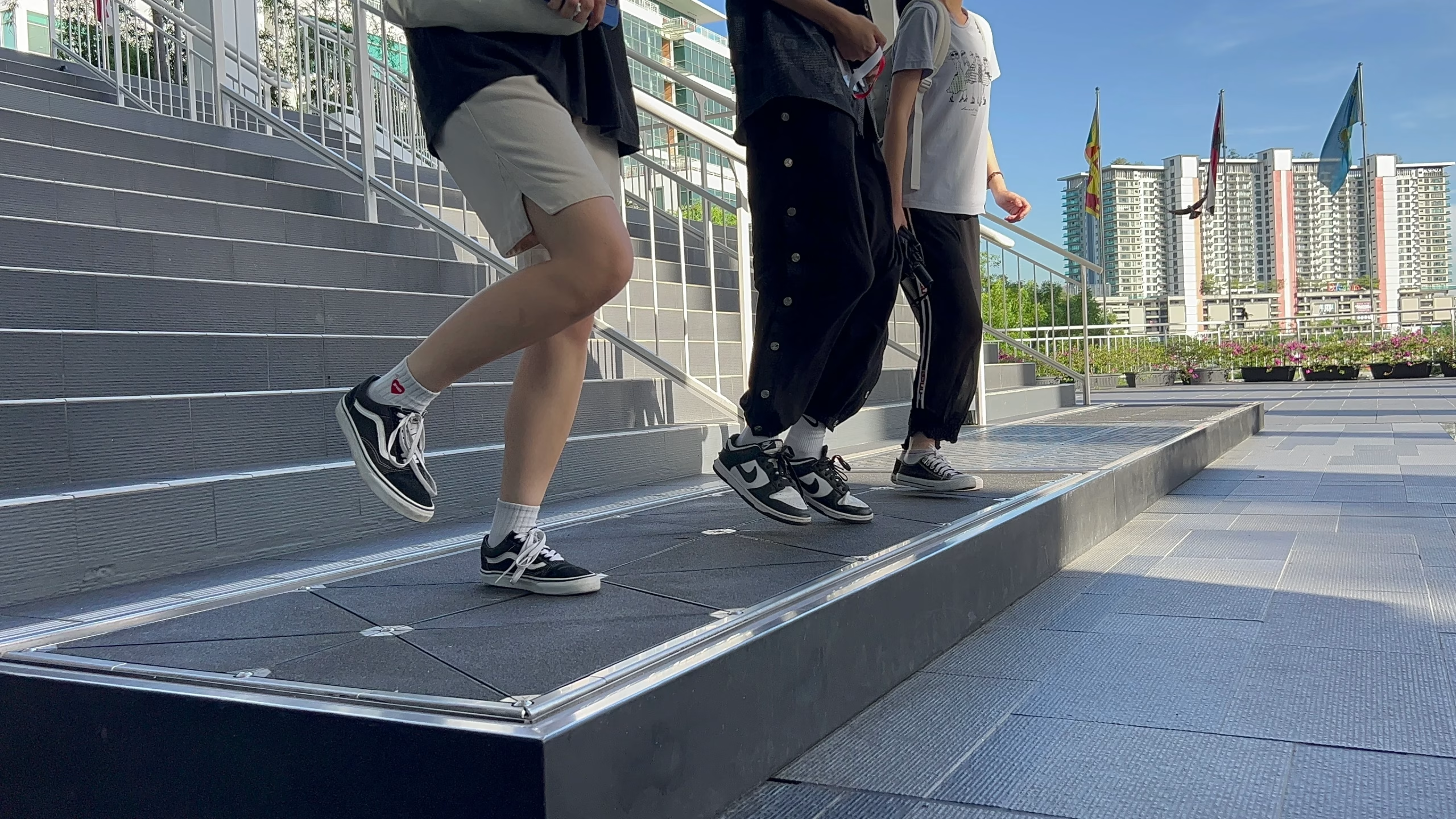
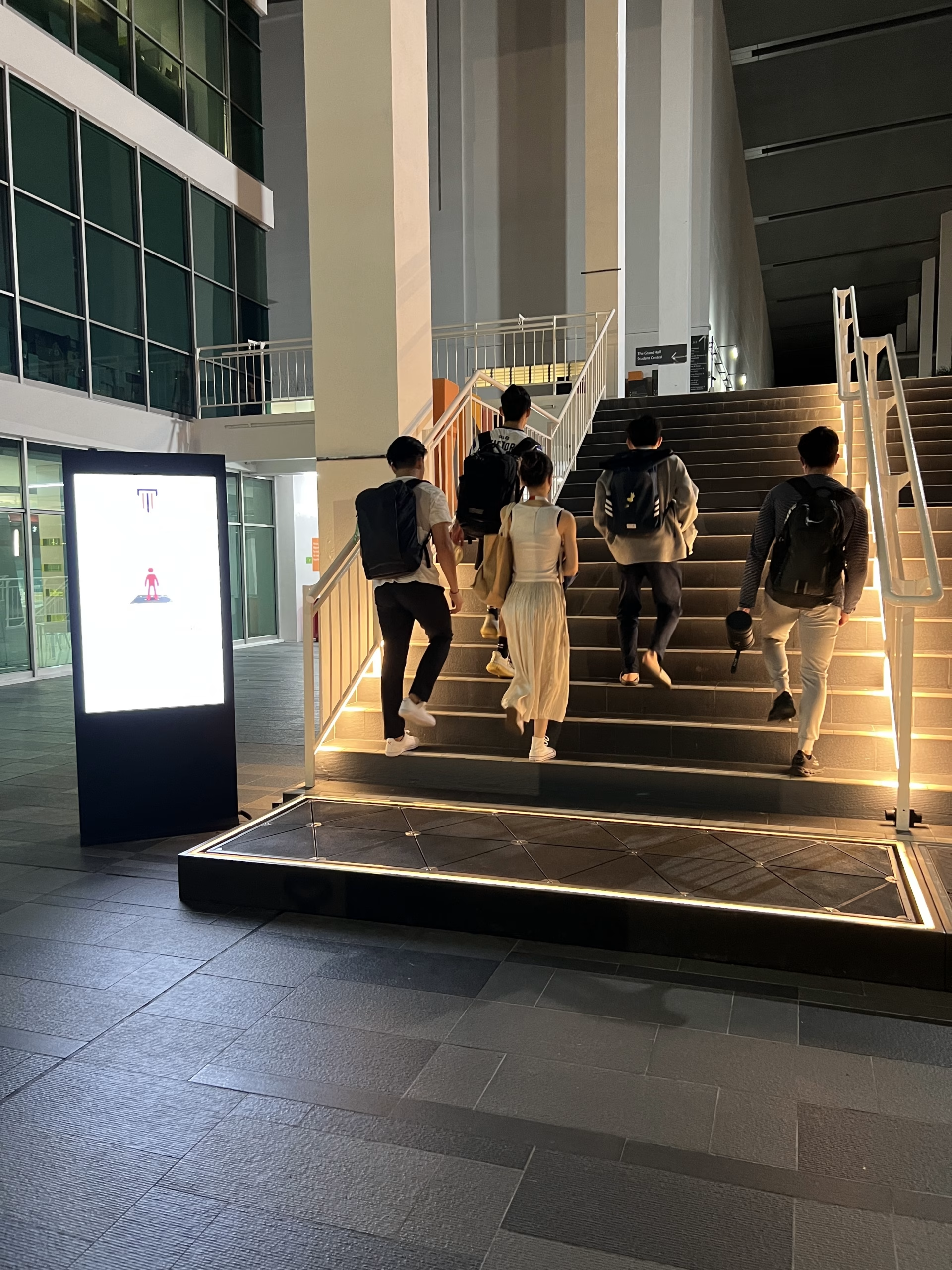
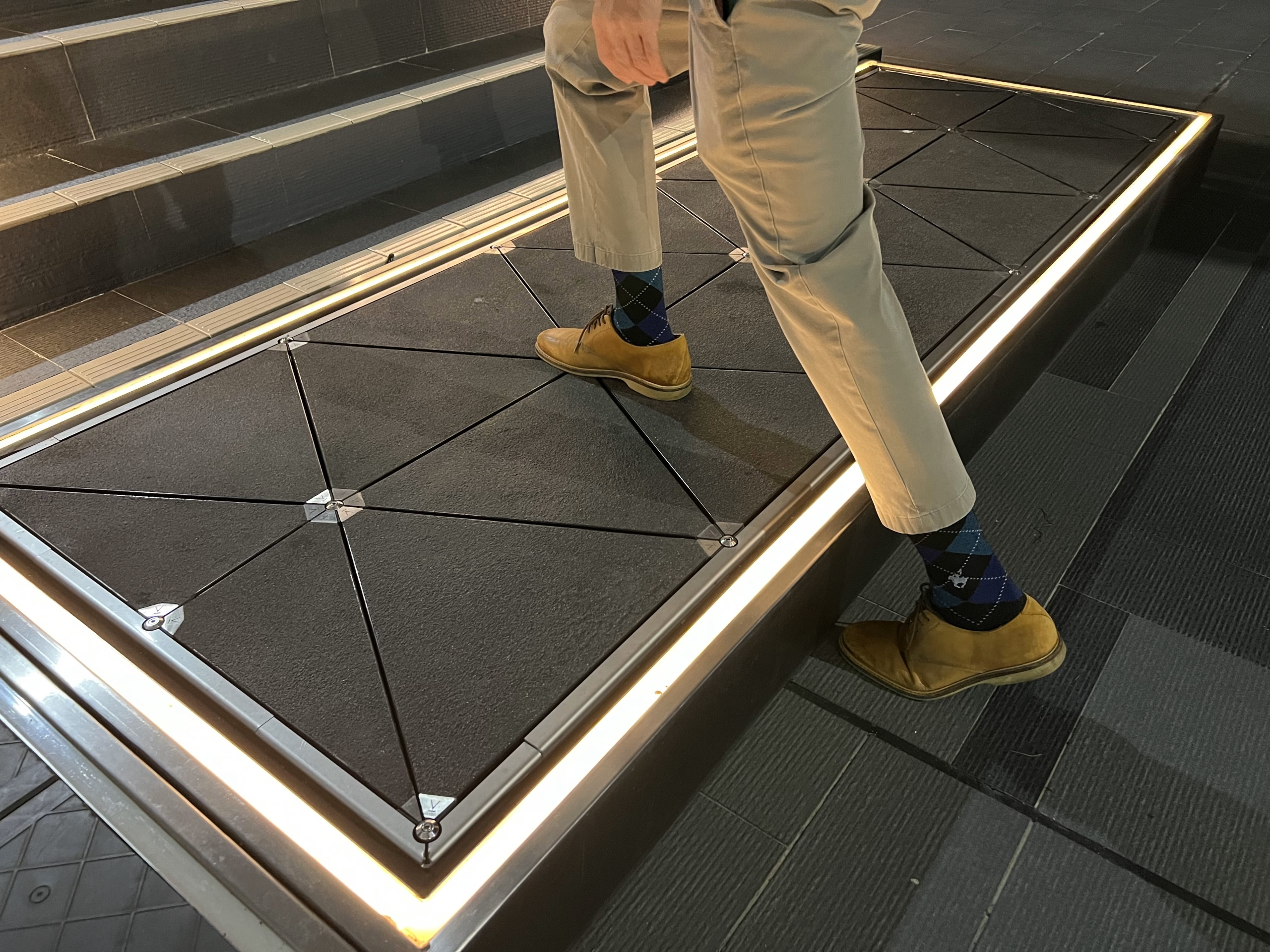
Pavegen installed a strip of kinetic tiles at the base of the main staircase – a place where thousands of students and teachers pass daily. This location ensured constant interaction and maximum visibility.
To amplify engagement, the installation included:
Kinetic tiles that lit up with each footstep
Dynamic lighting along the stair bannister triggered by student movement
A real-time data screen showing energy generated, steps taken, and participation impact
A frictionless, playful user experience that encouraged repeated interaction
This wasn’t just a walkway – it was a live demonstration of how human energy can drive learning, awareness, and connection.
Results: High Footfall, High Impact
Even without major promotional activity, the installation quickly became one of the most interactive spots on campus.
Key Outcomes
Mass participation driven by natural footfall
Increased dwell time around the installation
High levels of repeated engagement (students testing, retesting, bringing friends)
Seamless integration into sustainability curriculum & campus tours
Live data used by faculty for lessons on renewable energy and smart systems
As with our installation at Old Spitalfields Market, lighting and real-time data played an essential role in drawing people into the experience.
Why it Matters: Participation as a KPI
Similar to our installations at the University of Birmingham and Vanderbilt University, the installation at Taylor’s University demonstrated a simple truth: when sustainability becomes interactive, participation becomes inevitable. Students didn’t just walk across the tiles – they played, experimented, and kept returning to watch the data rise. A simple staircase became a shared moment of curiosity and connection.
This is where Pavegen delivers its deepest value. The technology doesn’t just convert footsteps into clean energy; it transforms everyday movement into emotional connection and behavioural insight. Students feel the impact instantly, and that feeling drives awareness, conversation, and meaningful engagement with sustainability. For universities, this kind of interaction becomes a measurable asset – a participatory experience that supports learning outcomes, enhances the student journey, and brings campus sustainability ambitions to life.
Smart Campuses Need Play
As universities evolve into micro–smart cities, the expectations placed on campus environments are shifting. Students want experiences that are not only functional but intuitive, responsive, and aligned with their values
Pavegen supports this transformation and what happened at Taylor’s University illustrates this perfectly: a staircase that once blended into the background suddenly became a point of discovery. Motion triggered light, light triggered connection, and connection triggered learning. The experience bridged sustainability, technology, and wellbeing in a way that students could see, feel, and share – proving that the future of smart campuses lies not in passive systems but in playful, human-powered interaction.
TW Consulting & Trade Ltd