
Home / Industries / Biogas & Anaerobic Digestion
More value from the feedstock you already process. AmplyX is a concentrated biological input for sealed anaerobic digesters, designed to support the microbial conversion that turns organic residuals into captured energy. The commercial objective is more saleable methane from the same feedstock and installed assets.
Explore the product details or choose an application below.
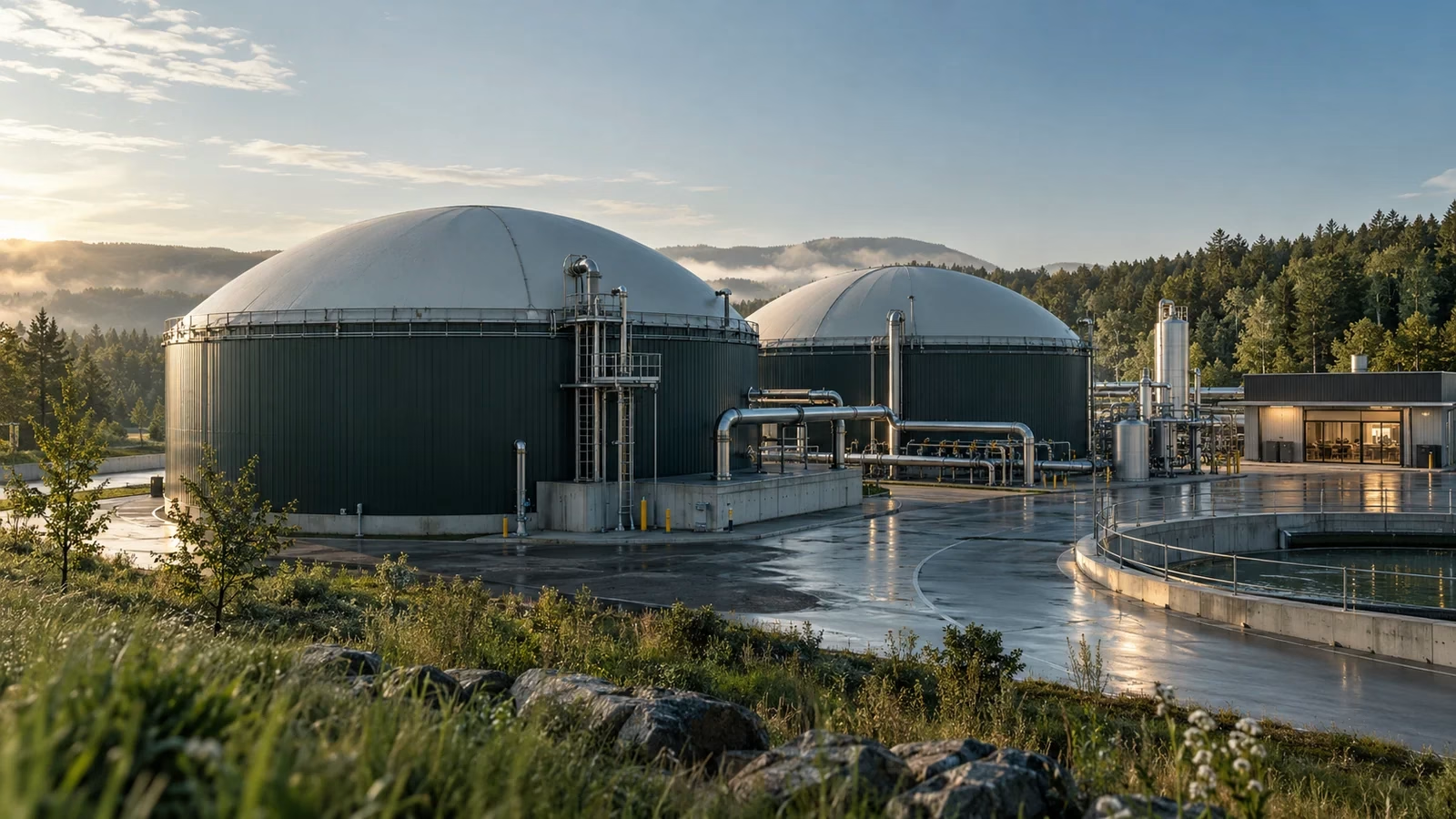
Illustrative environment · Food-waste digesters
Feedstock contracts, preprocessing and installed capacity carry costs before a cubic metre of gas is sold. Unrecovered methane potential can leave value in the digestate.
Integrate AmplyX into a qualified dosing point and compare normalized methane output with a representative baseline. Track feed changes so a richer incoming mix is not confused with a product response.
Record contaminants, preprocessing, storage time and the proportions of different organic inputs. A consistent feed record makes the energy comparison useful.
A biomethane plant, a combined heat-and-power plant and a facility using gas internally realize value differently. Compare incremental output with the actual usable or saleable energy basis.
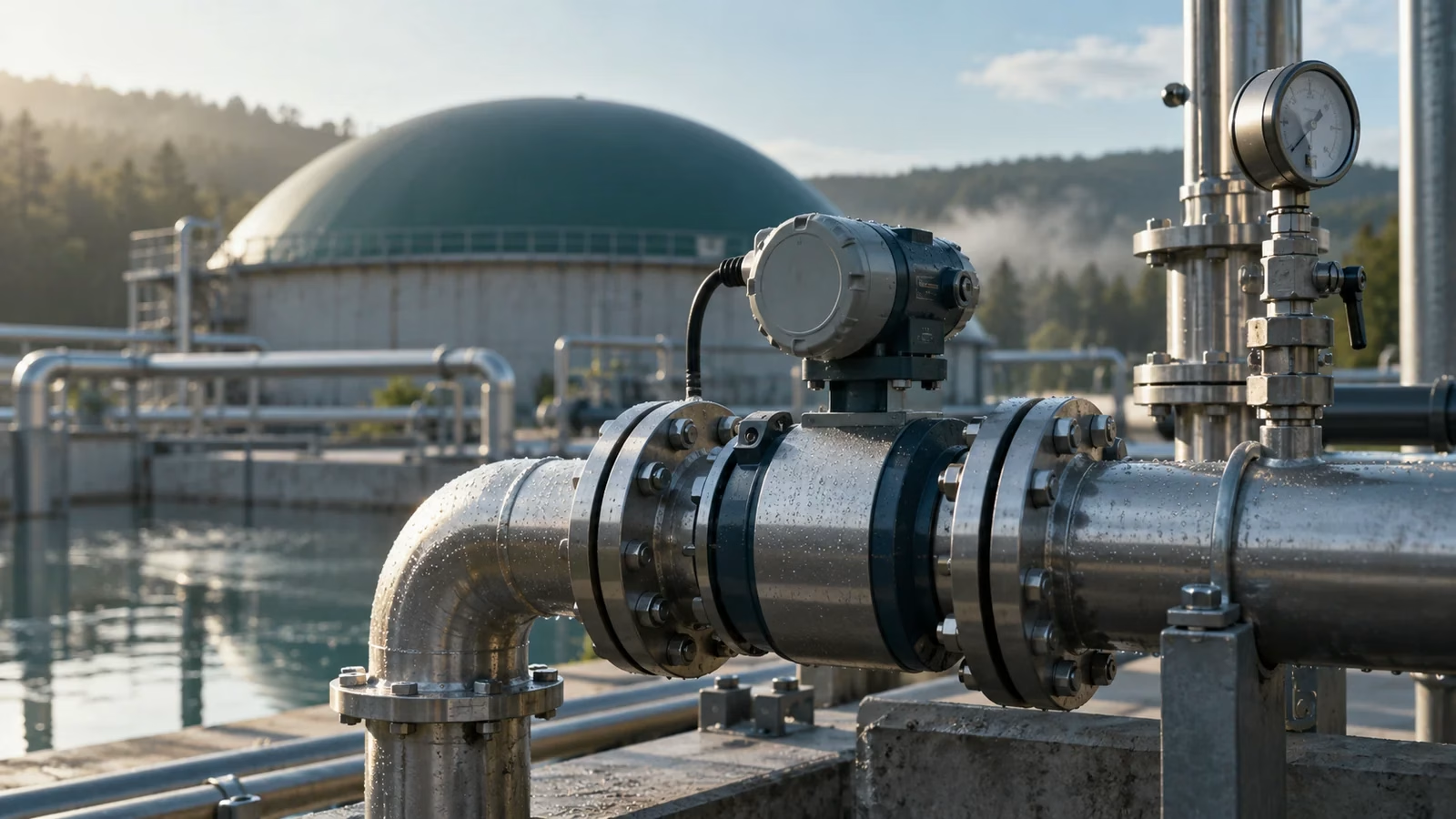
Illustrative environment · Wastewater digesters
Wastewater facilities must manage sludge while balancing treatment reliability, energy demand and solids-handling costs. Gas production and upstream treatment objectives need to remain distinct.
Evaluate AmplyX in the sealed anaerobic sludge-digestion stage, with a defined feed, metered gas and a stable operating baseline. Connect methane performance to the plant’s energy-recovery and solids-management plan.
BioCleanse addresses suitable wastewater odor and biodegradable loading applications. AmplyX addresses captured methane performance inside a qualified sealed digester.
Review gas-flow calibration, methane-composition measurement, feed solids and major upstream process changes before interpreting a response.
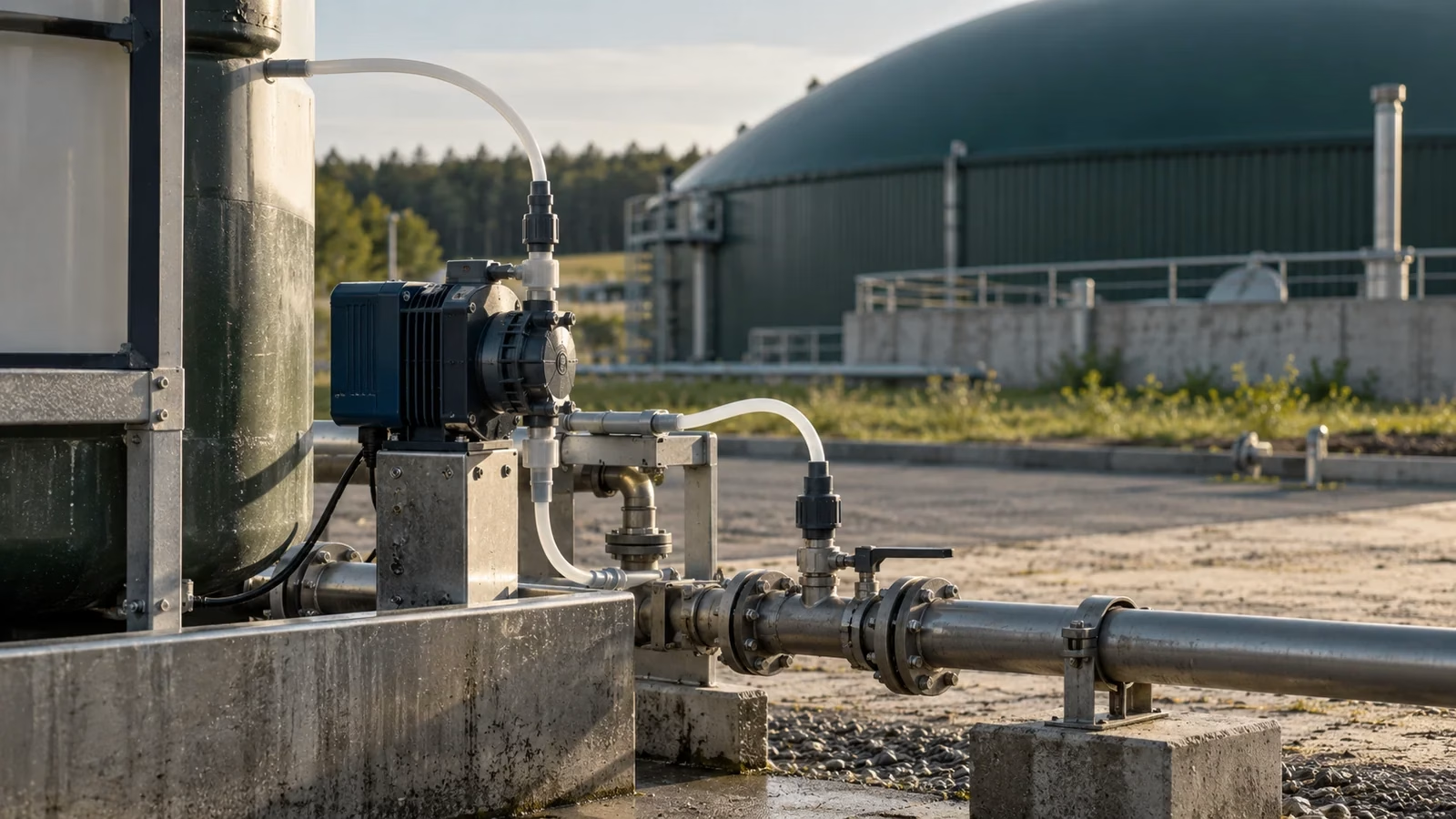
Illustrative environment · Manure & co-digestion
Manure composition, bedding, co-feed availability and seasonal operation can all change methane performance. Volume alone can obscure changes in feed quality.
Set a site-specific AmplyX program for the sealed digester and record manure and co-feed inputs separately. Evaluate gas productivity while tracking ammonia, mixing and process stability.
The AmplyX pathway belongs in controlled anaerobic systems where gas is captured and managed. Open manure storage and facility odor follow different product and operating pathways.
Any fuel attribute or carbon pathway needs its own applicable scheme, project boundary and verification. The first operating question remains the value of additional usable methane.

Illustrative environment · Industrial organic residuals
Food and beverage operations can generate concentrated biodegradable streams with treatment and disposal costs. Variability, fats and inhibitory constituents affect how those streams digest.
Qualify the stream, pretreatment and sealed reactor before applying AmplyX. Assess energy recovery together with loading resilience, gas quality and downstream handling.
High-FOG pretreatment may follow the HydroX route; general biodegradable wastewater loading may follow BioCleanse. AmplyX is the distinct route for qualified anaerobic digestion.
Record changes to feed preparation, temperature, mixing, loading and additives. Use a control, crossover or phased design where practical.
The program starts with the outcome you need to improve. The measures keep that objective visible.
Pursue higher methane recovery from contracted feedstock. The useful outcome is gas that can be sold or used on site, after methane concentration and recovery losses are accounted for.
Evaluate a biological input through a suitable feed or mixing point before committing to additional tank capacity. Qualification establishes how the program fits the plant you operate.
Follow gas performance alongside feed composition, pH, temperature, acids, alkalinity, ammonia and foaming. Productivity only creates durable value when the process remains under control.
Compare verified incremental energy value with product, monitoring and variable operating costs. Use the plant’s actual energy route and commercial terms to decide whether to scale.
Organic material enters a controlled anaerobic environment. Feed mass, total solids, volatile solids and composition establish what the biology has to work with.
AmplyX is introduced at a qualified feed or mixing point. The program evaluates whether biological conversion releases more methane potential, releases it faster, or improves operating resilience.
Measure gas flow and methane concentration together, then account for gas recovery and upgrading. This connects a biological response to useful power, heat or biomethane.
Reported results belong to the conditions in which they were measured. Explore the source notes to understand how each finding relates to your application.
Three distinct performance questions
The AmplyX technical approach separates cumulative methane yield, production rate and operating stability. Tracking all three helps an operator understand whether a response changes conversion, timing or resilience.
Product-specific measurement framework described in the September 2026 AmplyX brochure and master messaging source.
This is the evaluation framework, not a completed performance result. A universal uplift is not established by the reviewed materials.
The commercial decision basis
Incremental saleable methane value, plus any independently eligible attributes, less product and incremental operating and measurement costs. This provides a more useful commercial comparison than an isolated gas-production percentage.
AmplyX client brochure, economics section. The site uses the relationship without publishing internal product prices or illustrative market assumptions.
A relationship for evaluating site economics; it is not a savings forecast or price quotation.
Gas volume is only one part of the answer. Methane concentration, capture, upgrading losses and the usable energy route determine saleable methane. AmplyX programs measure those together.
No. Production rate describes how quickly gas appears; cumulative yield describes the total methane recovered from a defined input over time. A program should determine whether one or both improve.
That is the intended route: a qualified input through a suitable feed or mixing point in an existing sealed digester. The site review covers equipment, feedstock, metering, process controls and handling before a protocol is agreed.
Feedstock quantities and composition, total and volatile solids, reactor configuration, gas-flow and methane data, operating temperature, stability records and the destination of captured gas. These establish both technical fit and the value pathway.
A site-specific evaluation establishes the response. The current AmplyX source set supports the product and measurement approach, but does not establish a broadly transferable methane-uplift percentage. Feedstock, baseline efficiency, loading and reactor conditions matter.
Compare incremental saleable methane value with the agreed product cost and any additional monitoring or variable operating cost. Add environmental attributes only where the project independently qualifies. Scope, pricing and responsibilities are agreed before deployment.
Share the application, current conditions and the problem that matters most. We identify the relevant product and technical information.
Agree the application, baseline, protocol, responsibilities and commercial terms around a defined operating objective.
Review the relevant performance and operating data, then determine whether the result supports a broader deployment.
Start with the operating challenge. We’ll connect you with the relevant product, application and next technical discussion.