
Home / Industries / Environmental Remediation
A biological route for hydrocarbon contamination—from open-ocean oil spills to affected soil and oily process water. Bloom HydroX is the specialist product for petroleum hydrocarbons and long-chain organic loads, bringing contaminant accessibility and biological degradation into a site-defined recovery program.
Explore the product details or choose an application below.
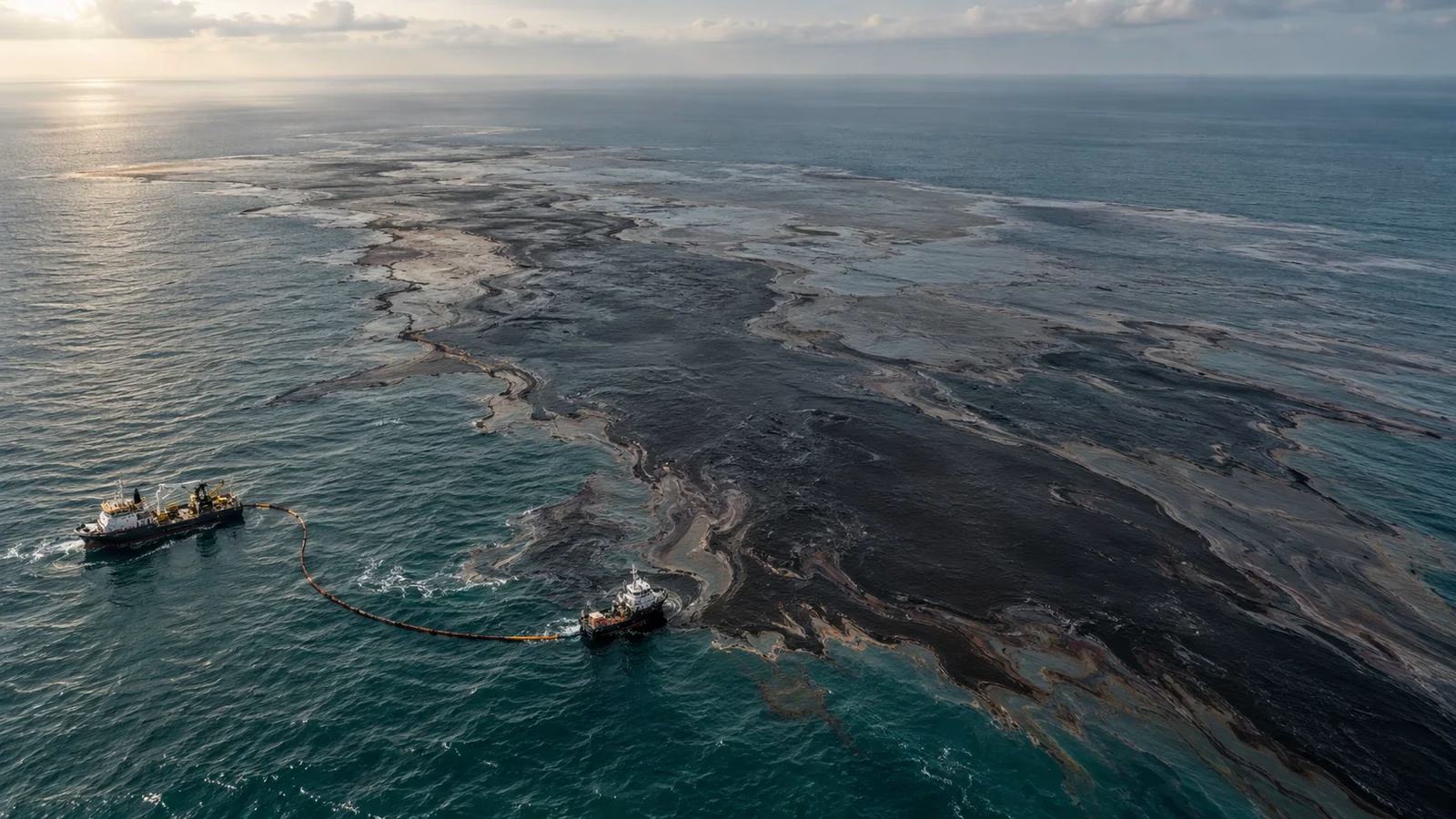
Illustrative environment · Open-ocean oil spills and coastal response
An oil release creates a moving contamination problem. Oil composition and weathering change while wind, waves and currents affect access, residence time and exposure.
Assess HydroX within the authorized response plan, after containment and recovery priorities are established. Qualify vessel-based or other approved delivery around the oil, location and environmental conditions.
Containment, recovery and incident coordination establish where an added biological treatment can be considered. Application follows the responsible response authority’s approved plan.
Spray reach, access and contact vary with wind, waves and current. Technical review sets the delivery route and operating limits rather than relying on a generic dilution.
Dispersal, recovery and biodegradation can all affect appearance. Chemical measurements and the response record are needed to interpret progress.
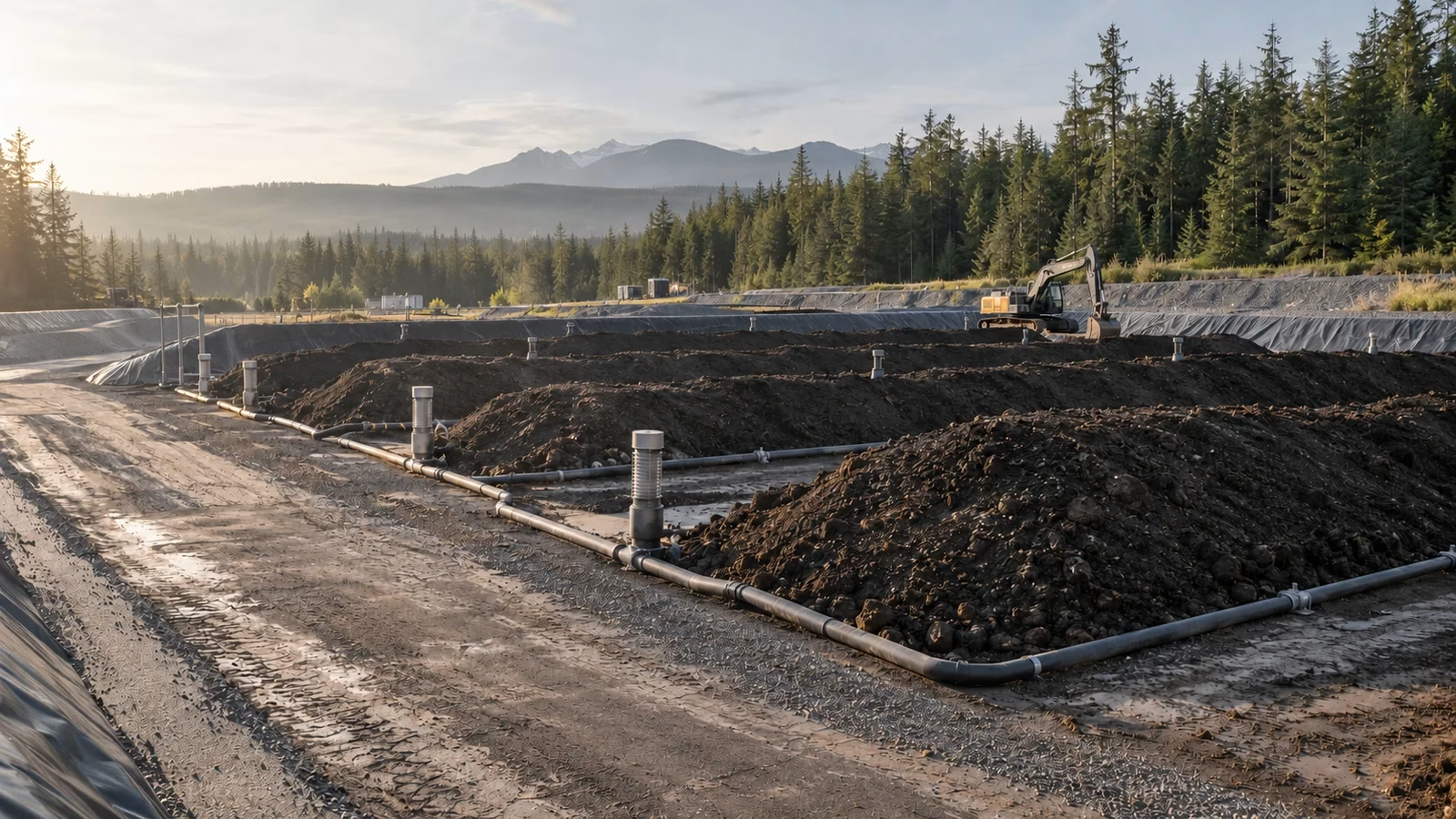
Illustrative environment · Hydrocarbon-contaminated soil
Fuel, diesel, crude oil or petroleum residues may remain in soil after a spill or prolonged operational release. Weathered material and uneven contamination complicate treatment.
Design a HydroX soil program around contaminant characterization, soil conditions and access. Mixing, moisture management and aeration are selected to provide contact within the defined treatment area.
Determine whether the material contains only hydrocarbons or additional contaminants. Metals and inorganic constituents need their own management route.
Soil texture, compaction, water access and depth influence mixing and oxygen delivery. The workable approach may differ across a single site.
Historical supplier case accounts include multiple products and treatment methods. Current HydroX performance must be established for the selected formulation and site conditions.
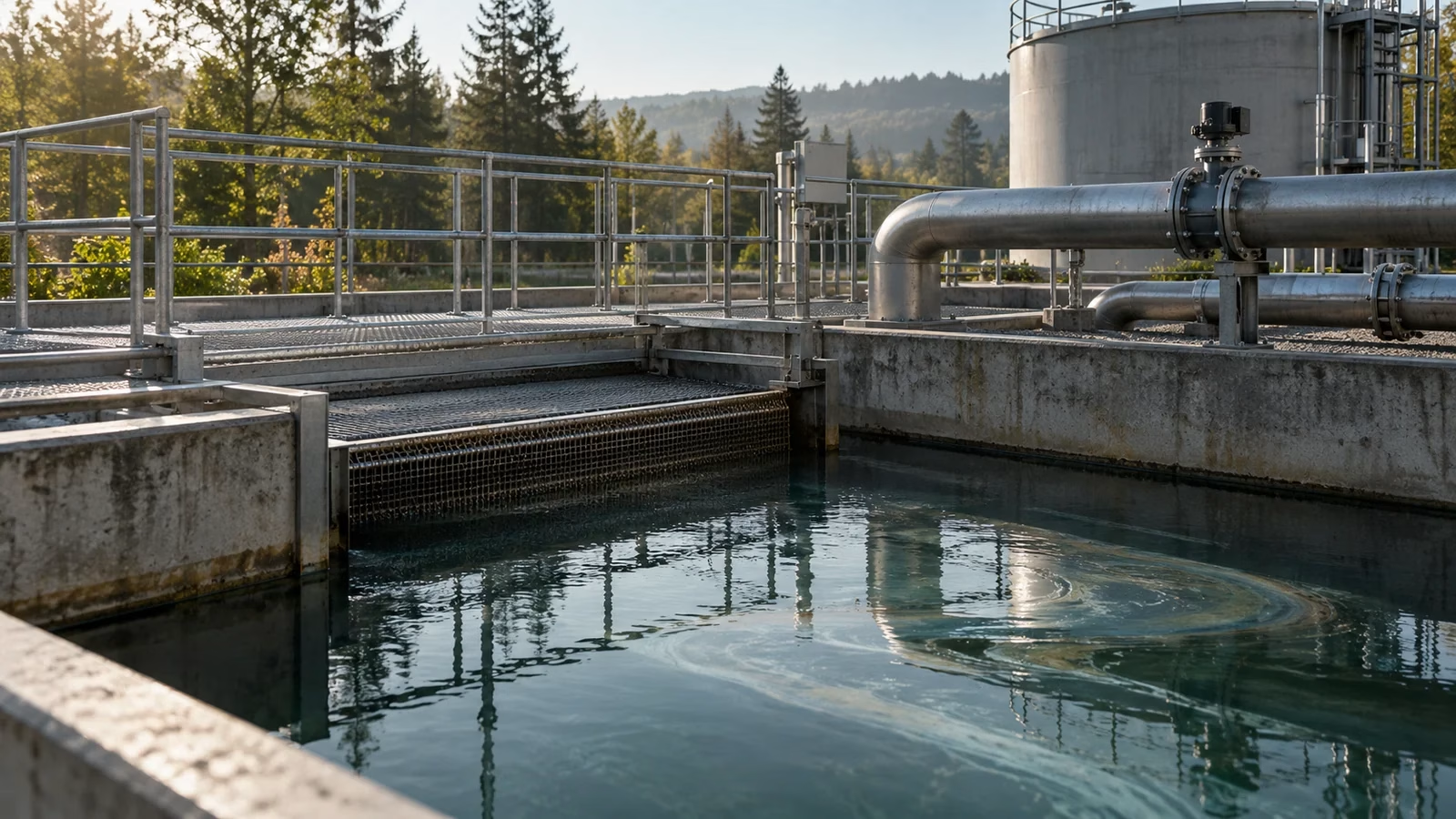
Illustrative environment · Oily process water and oilfield residues
Refinery and oilfield operations can produce oily water, separator residues, tank bottoms and hydrocarbon-bearing solids. Oil loading and process chemistry may vary sharply.
Qualify HydroX within a defined process-water or remediation route, reviewing separation, mixing, oxygen, foaming potential and downstream solids handling.
Floating, dispersed and emulsified oil require different contact and separation strategies. Identify the dominant phase before choosing the application point.
The product master notes potential foaming under strong aeration or agitation. Evaluate this with the actual stream and equipment.
Treatment success may mean a defined residual concentration or improved downstream treatability. Confirm the endpoint before assigning a duration or dose.
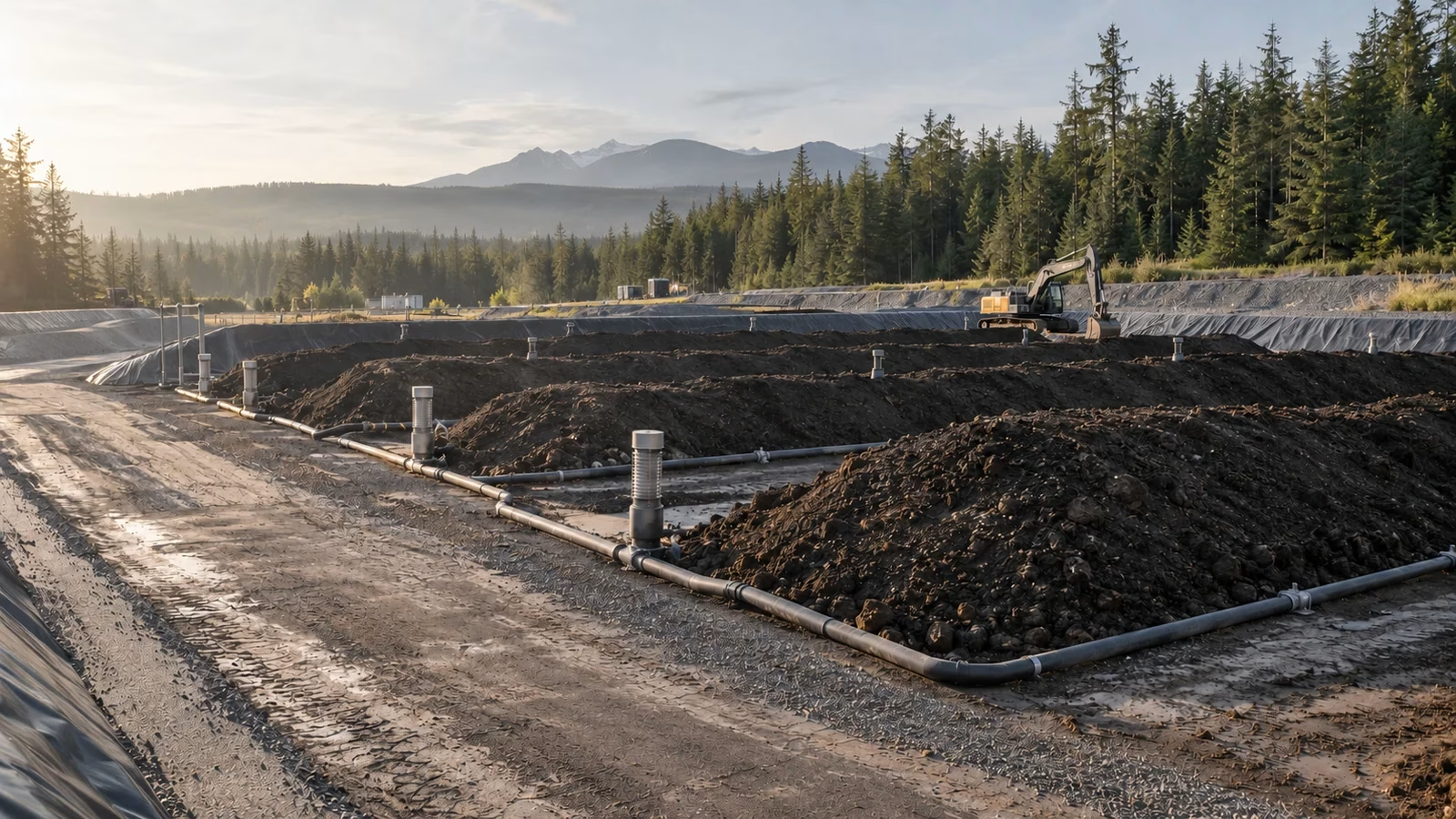
Illustrative environment · Fuel spills, yards and other contamination
Maintenance areas, workshops and transport incidents can leave localized hydrocarbon residue on or beneath affected surfaces. Other organic contaminants may need compound-specific review.
Contain and recover accessible contamination first, then assess HydroX for residual petroleum hydrocarbons under the site remediation plan. Route other compounds through a technical treatability review.
A local residual-contamination program differs from active emergency response. The response and environmental plan determine when biological treatment is suitable.
Complex organics cannot be grouped under a universal cleanup promise. Confirm the compound, concentration and appropriate test matrix.
Document application conditions and follow-up chemistry so the endpoint is supported by more than a visual inspection.
The program starts with the outcome you need to improve. The measures keep that objective visible.
HydroX is intended to support biological breakdown of accessible hydrocarbons. Progress is judged by chemical analysis and the recovery objective, alongside visual site observations.
Marine, freshwater, soil and process-water applications need different delivery and monitoring plans. Oil type, weathering, oxygen, temperature and contact all shape the response.
For soil and managed water, assess residual contamination, treatment conditions and intended end use together. The purpose is a measurable path toward the defined recovery endpoint.
The approved architecture separates HydroX from BioCleanse’s broad organic-waste role. That distinction keeps product selection aligned with the primary contaminant.
The company describes surface activation and emulsification that can increase contact between oil and the treatment environment. A change in oil appearance is not itself evidence of degradation.
The intended biological pathway uses microbial and enzyme activity to act on accessible hydrocarbon fractions. Oxygen, nutrient conditions, temperature and oil composition influence the response.
Track total petroleum hydrocarbons and relevant fractions over time, alongside background conditions and recovery operations. Use the defined endpoint to decide the next treatment step.
Reported results belong to the conditions in which they were measured. Explore the source notes to understand how each finding relates to your application.
TPH reduction reported in legacy company literature
Bloom’s hydrocarbon overview reports total petroleum hydrocarbon reductions of 60–95% in approximately 30 days, depending on environmental conditions. This historical field range is not an open-ocean performance estimate.
Historical company-reported field range; legacy BioCleanse hydrocarbon collateral, now assigned to HydroX in the approved product architecture.
The reviewed overview does not include case-level methods, starting concentrations, controls or formulation traceability. This is historical context, not a HydroX performance guarantee or a marine-spill forecast.
The approved September product architecture assigns petroleum hydrocarbons, oil contamination and high-FOG applications to Bloom HydroX. Older oil brochures use the BioCleanse name; current website navigation follows the approved HydroX identity.
Not by itself. Surface redistribution, recovery and biological conversion can affect appearance. The treatment program should track hydrocarbon chemistry and operating conditions to establish what changed.
Oil type and weathering, contaminant concentration, affected material, oxygen, salinity, temperature, nutrient conditions and physical access all matter. Site and product documentation guide the final program.
Legacy Bloom hydrocarbon literature reports that range for TPH reduction in approximately 30 days under varying field conditions. The reviewed brochure does not provide the underlying case-level dataset, so the range is historical company-reported context, not a forecast for a new site.
Marine use must fit the authorized incident-response plan and product requirements for the location. The technical assessment considers delivery, exposure, oil condition, recovery activities and environmental monitoring before application.
No. HydroX is the specialist route for petroleum hydrocarbons and concentrated FOG. Metals are not biodegraded, and other compounds require a separate technical assessment and management pathway.
Share the application, current conditions and the problem that matters most. We identify the relevant product and technical information.
Agree the application, baseline, protocol, responsibilities and commercial terms around a defined operating objective.
Review the relevant performance and operating data, then determine whether the result supports a broader deployment.
Start with the operating challenge. We’ll connect you with the relevant product, application and next technical discussion.