We are a technology developer and systems integrator, creating our own technology stacks with manufacturers and connecting them around real project requirements.
From customer-owned systems to planned distributed assets, our approach connects engineering decisions, manufacturing coordination and a path to operation.
01 THE INTEGRATED SYSTEM
From source to load. Every connection has a purpose.
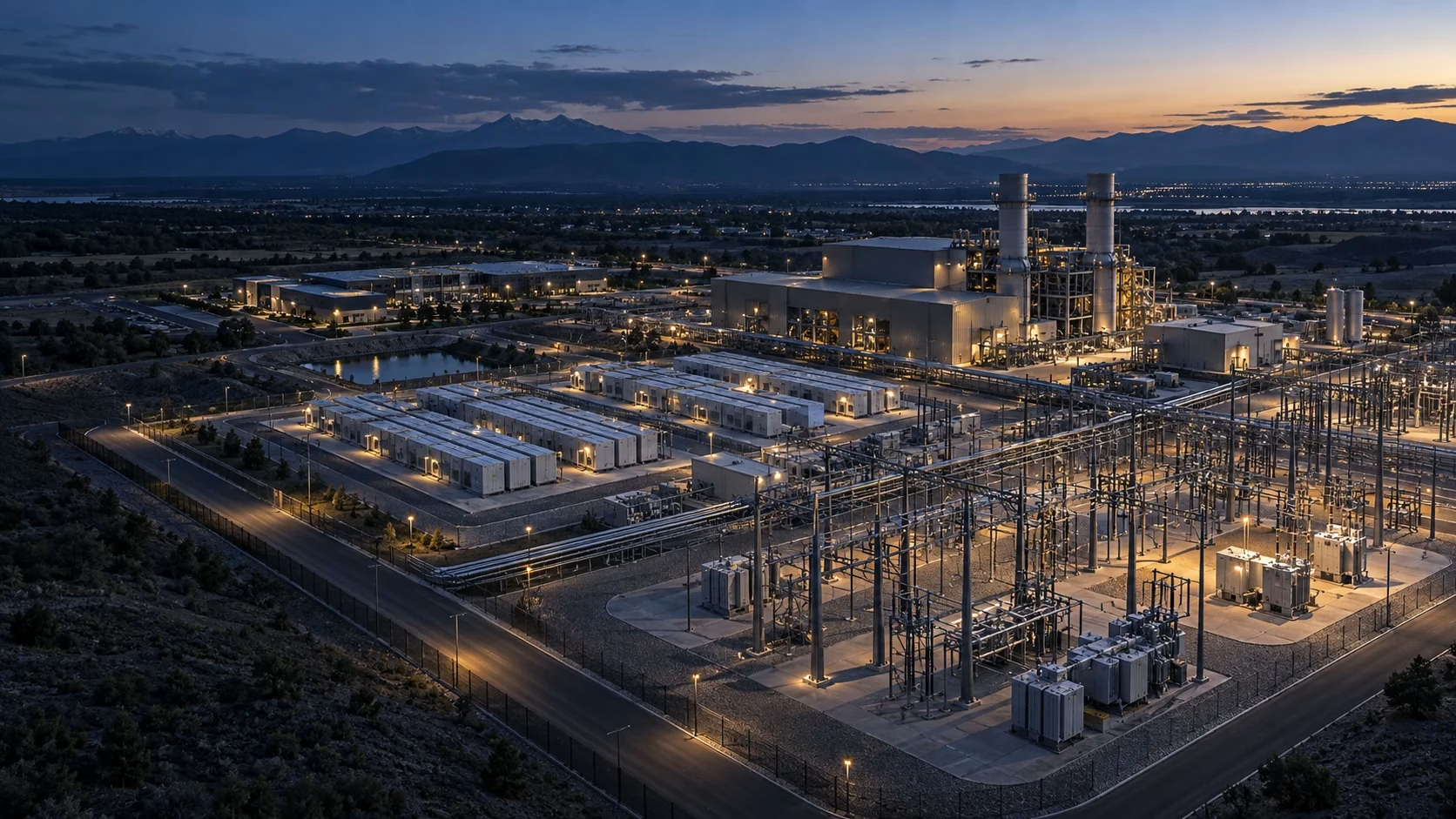
Follow power through the system. Explore how generation, storage and electrical infrastructure work together to serve the load.
EXPLORE THE POWER PATH ILLUSTRATIVE SYSTEM
Generation serves the load.
Power travels from the source, through conversion and protected distribution, to the customer’s facility.
Illustrative operating logic · not live telemetry or a site-specific electrical designSwipe diagram to explore →
01 GENERATION
Source the power.
Bring utility supply and project-appropriate onsite generation into a coordinated architecture. Fuel availability, interconnection and operating duty shape the design.
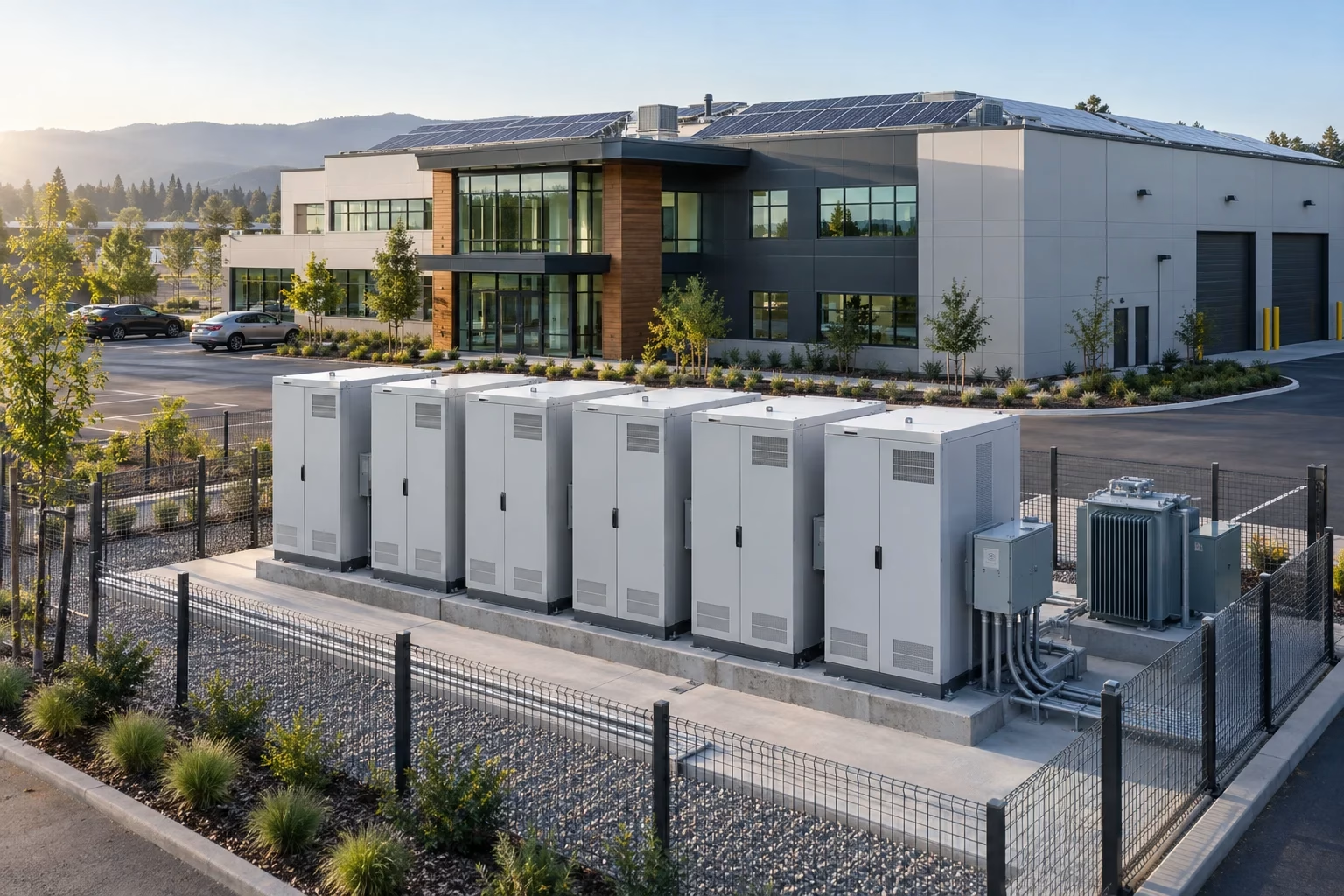
Develop storage solutions around required power, duration, duty cycle and system interfaces. Technology selection follows the application and qualification process.
Energy storage · Fast response · Lifecycle planning
Develop conversion solutions with manufacturers, coordinating inverters, rectifiers and transformers with generation, storage and the downstream electrical system.
Coordinate voltage levels, switchgear, protection and critical-load delivery as one electrical system. Design decisions consider maintainability and phased expansion.
Define operating modes, supervisory controls and monitoring across sources and loads. Integration and testing establish how the system responds through operating transitions.
Manufacturer approval of the initial power-conversion design establishes the next step in the development program.
NEXT INTEGRATION MILESTONE
Connect the generation layer.
Upcoming engineering coordinates the approved conversion design with turbine generation and wider system interfaces.
PLANNED DEVELOPMENT
Expand through defined phases.
Capacity, engineering resources and manufacturing capability are intended to scale alongside project requirements.
2
Planned development sites · Texas + Utah
4 GW
Target capacity per site
8 GW
Combined planned capacity
Development targets, not operating capacity or contracted backlog. Project scope and delivery remain subject to engineering, commercial agreements and project approvals.
05 EXECUTION BY DESIGN
A clear path from requirements to operation.
Defined interfaces. Staged decisions. An execution approach that connects technical development to project delivery.
01
Define
Map the load, site constraints, operating objectives and development sequence.
02
Develop
Specify the architecture and develop technology stacks with specialist manufacturers.
03
Integrate
Coordinate interfaces, equipment requirements, controls and integration testing.
04
Deliver
Plan procurement, deployment and commissioning around defined acceptance criteria.
05
Operate & evolve
Plan service, monitoring and capacity expansion for the intended operating model.